Key Characteristics and Features
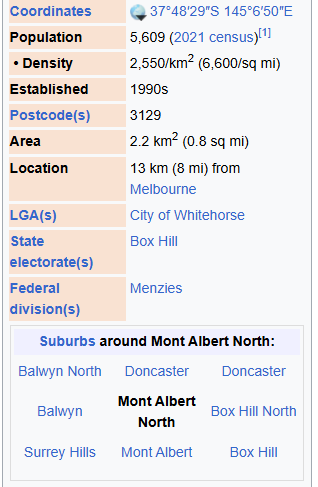
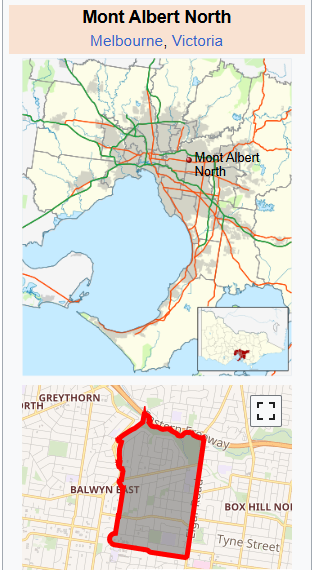
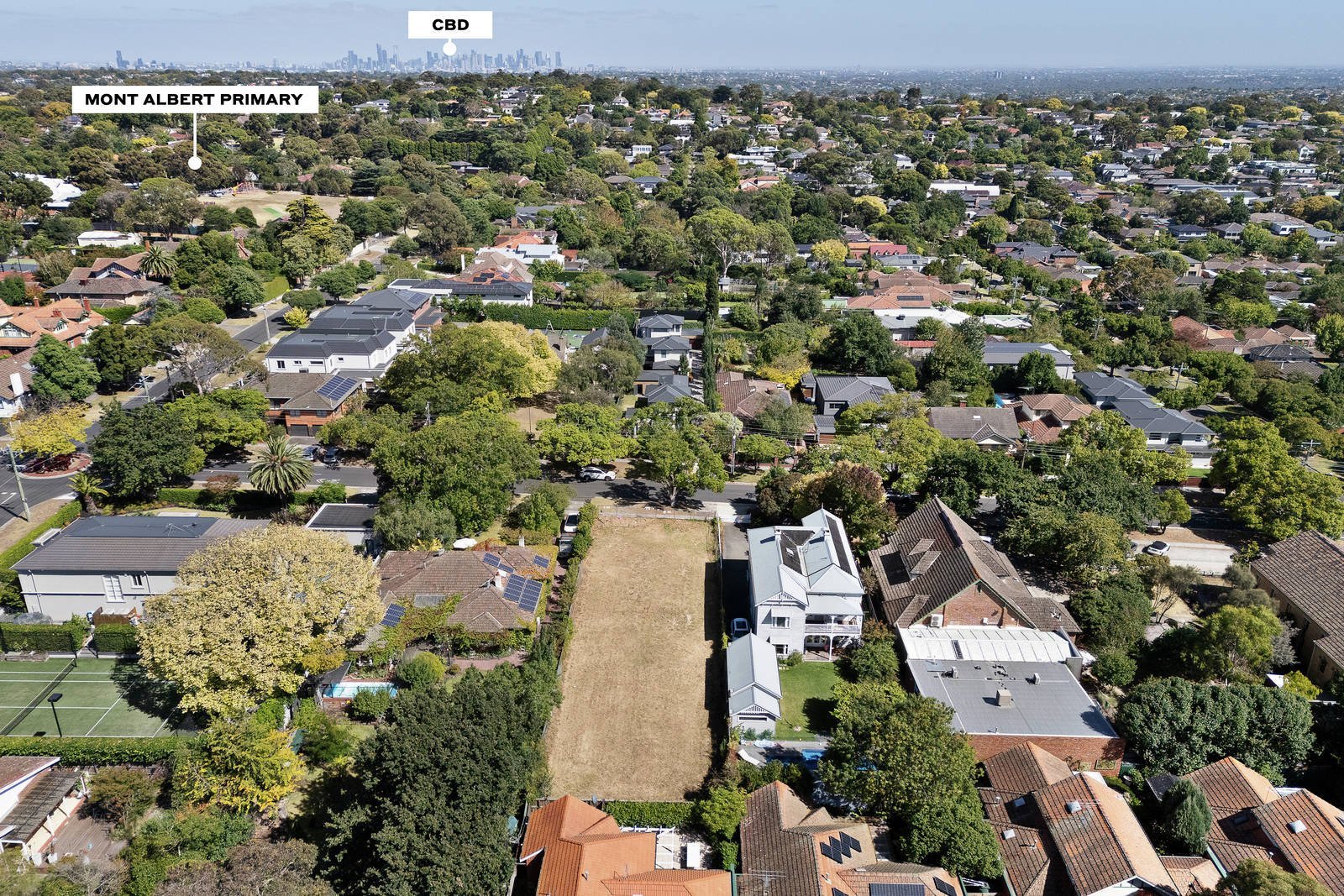
Mont Albert is an affluent, residential suburb located about 12 kilometers east of Melbourne’s Central Business District (CBD) in Victoria, Australia. It is well-regarded for its peaceful, family-friendly atmosphere and a blend of historic charm and modern convenience.
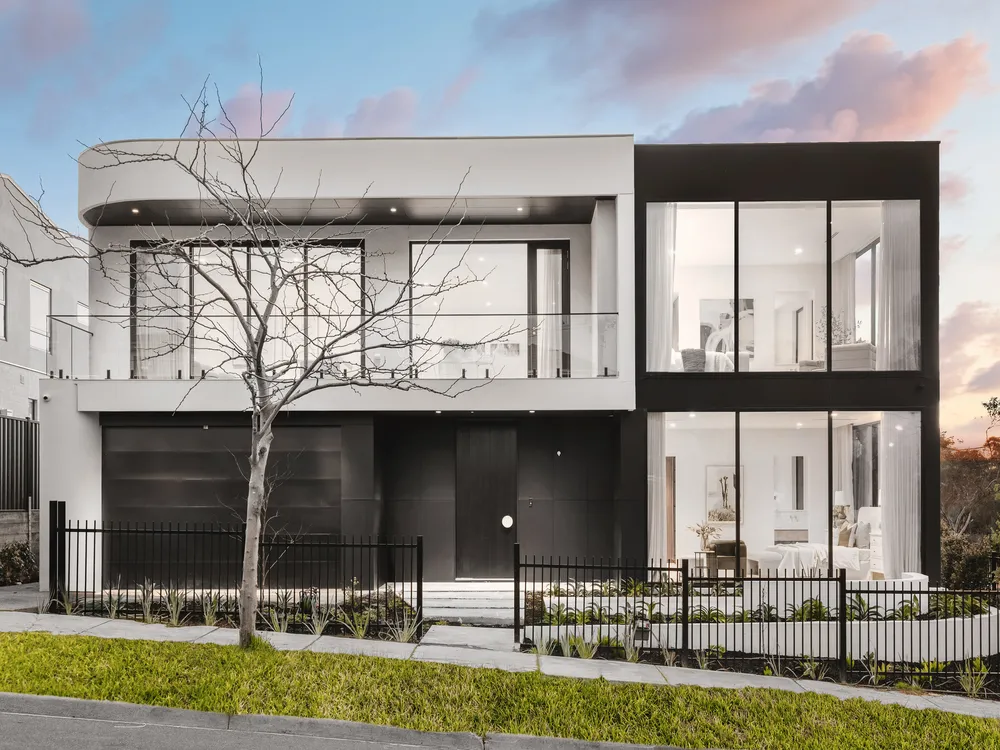
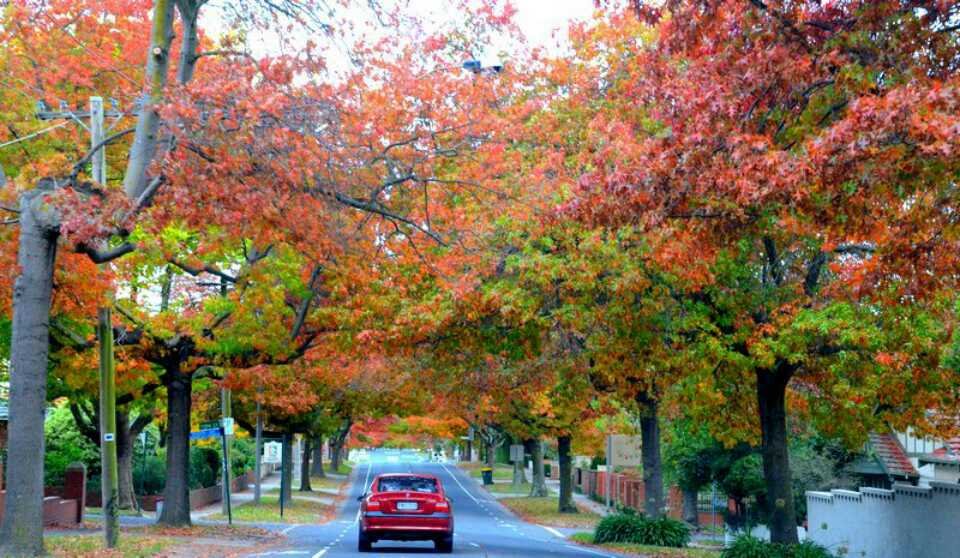
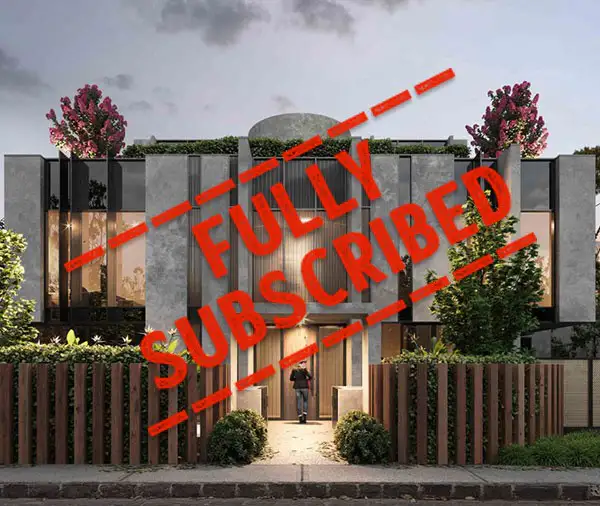
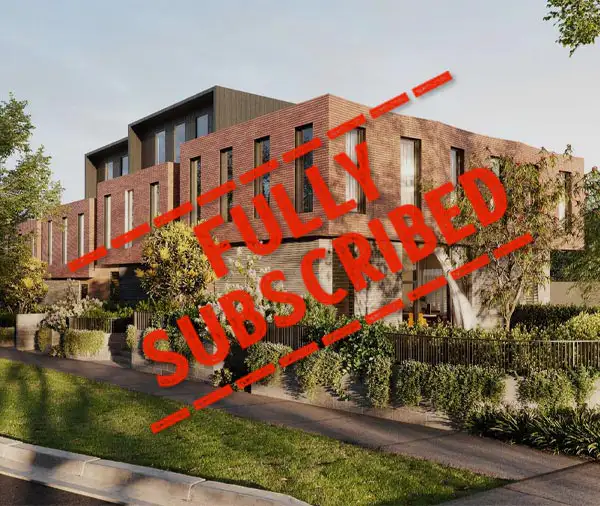
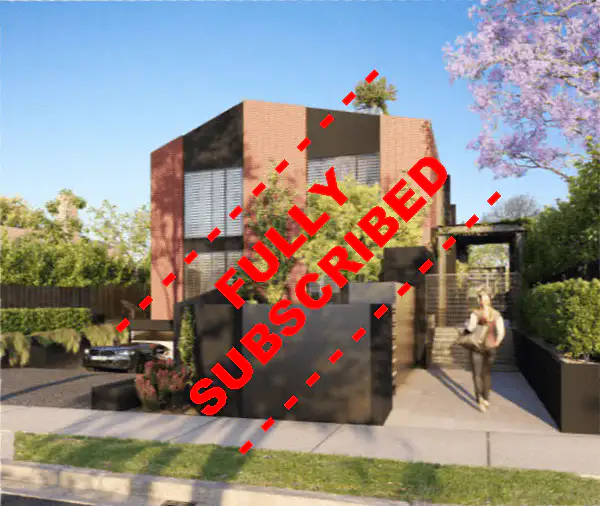
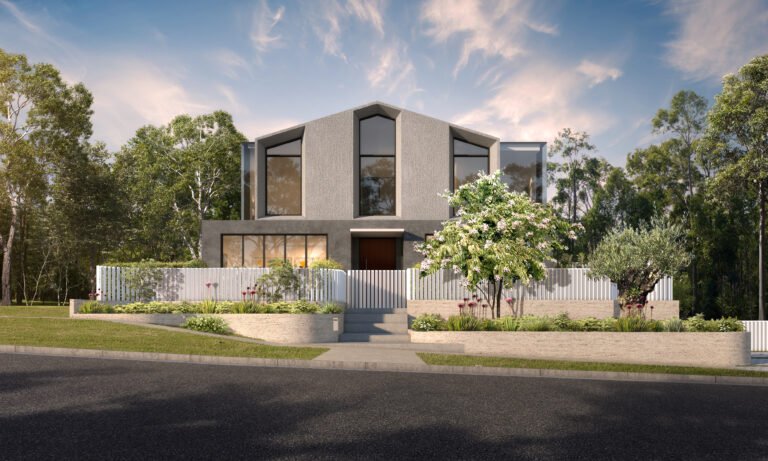
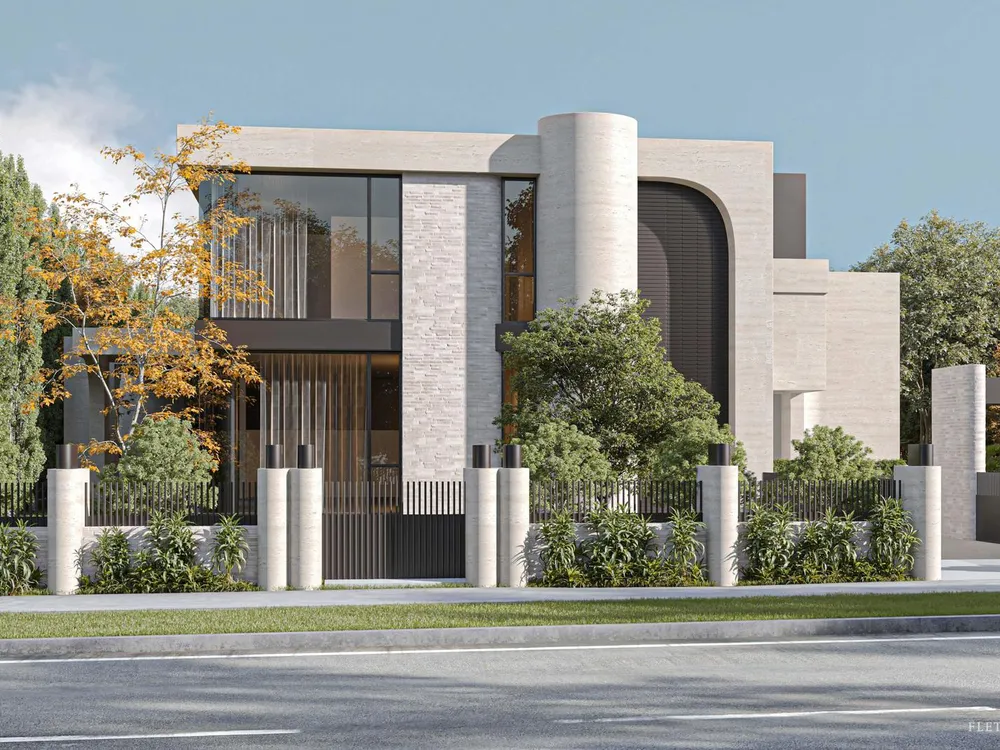
Tree-Lined Streets and Architecture: The suburb is distinguished by its wide, tree-lined streets and a mix of elegant architecture. It is particularly known for its beautifully preserved period homes, including Edwardian and Victorian residences, which sit alongside contemporary townhouses and apartments.
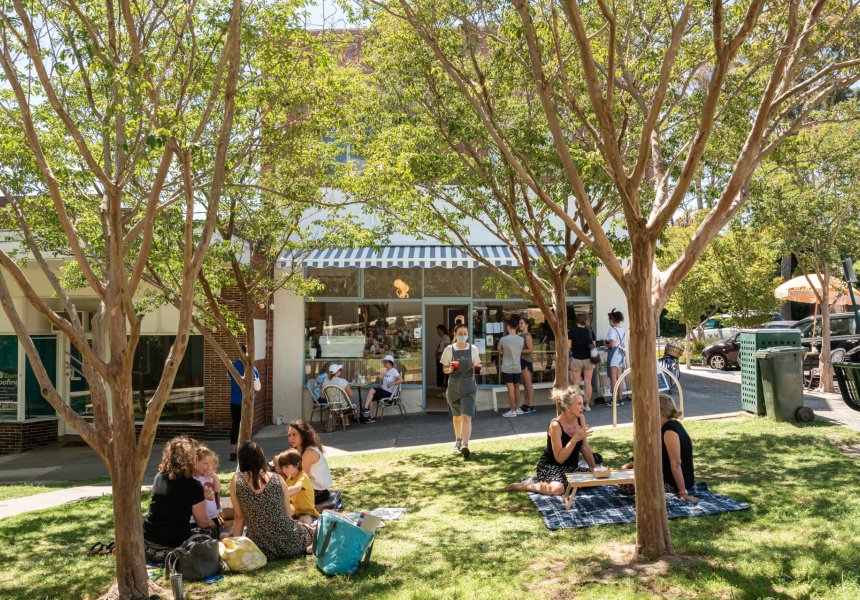
Village Lifestyle: Mont Albert has a charming local shopping strip known as “Mont Albert Village,” located along Hamilton Street. This small village offers a selection of boutique shops, cafes, and essential services, fostering a tight-knit community feel.
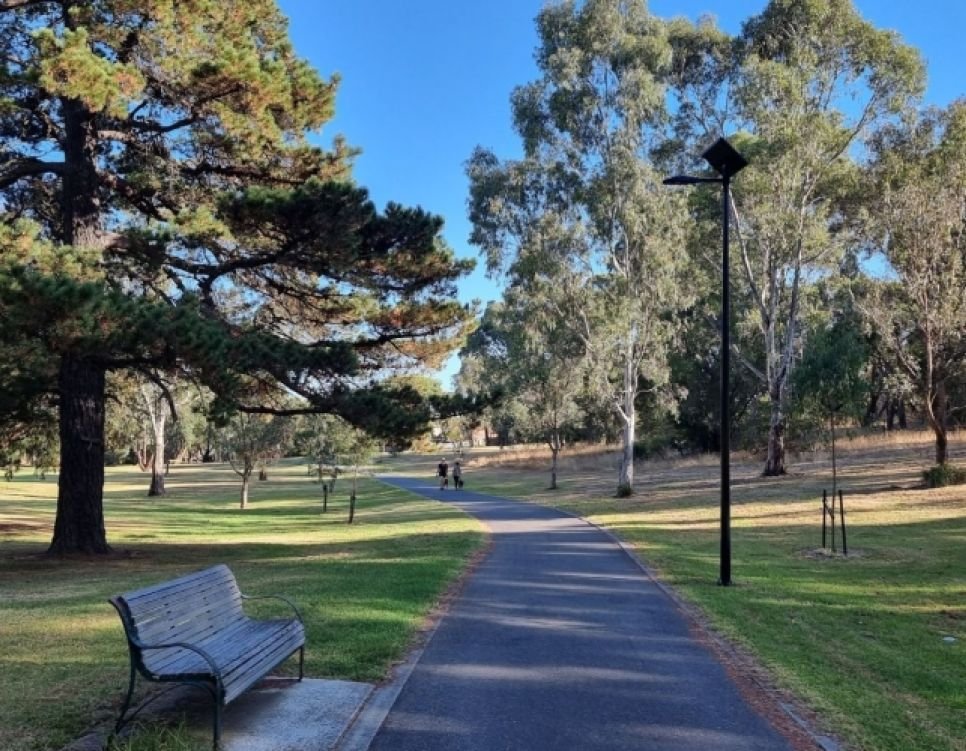
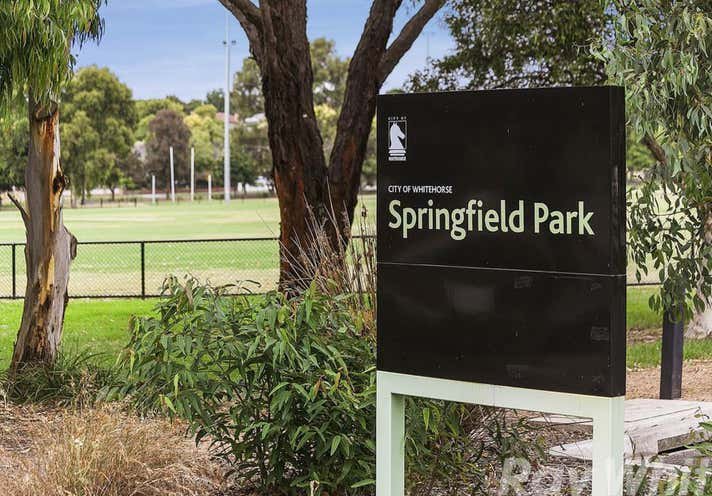
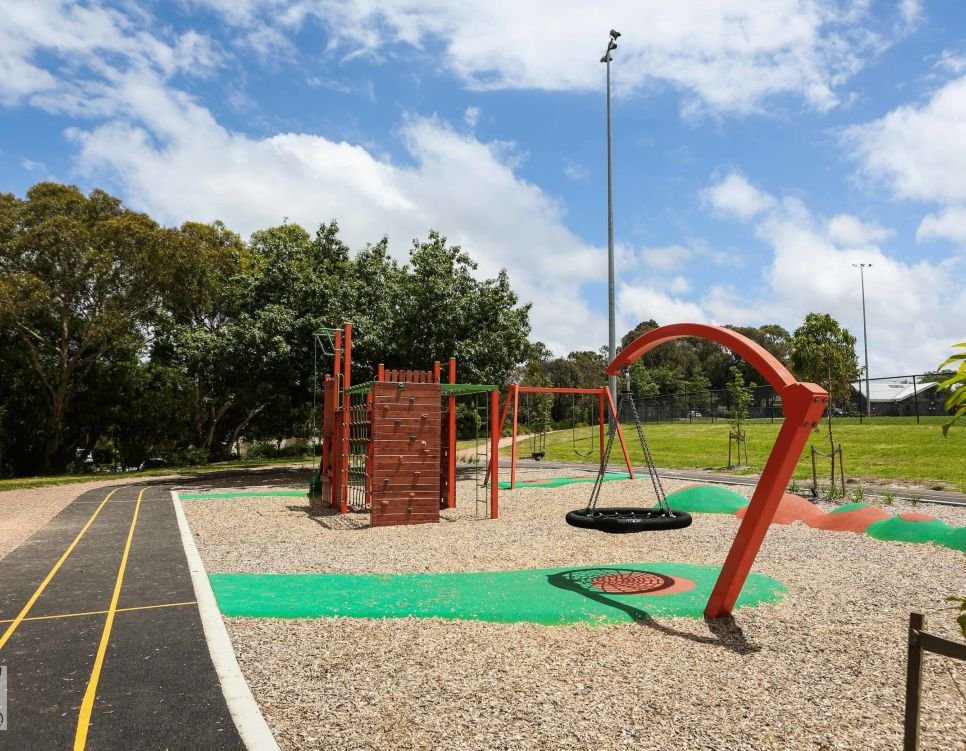
Parks and Green Spaces: Residents enjoy access to several green spaces, including Kingsley Gardens and Mont Albert Reserve, which are popular spots for recreation and relaxation. These parks contribute to the suburb’s tranquil and picturesque environment.
Transport: The suburb has excellent transport links, making it a desirable location for commuters. The Mont Albert railway station, though now amalgamated with Surrey Hills station into the modern Union Station, provides direct train access to the CBD. An efficient network of buses and trams also services the area.
Demographics: Mont Albert is a highly sought-after suburb for families, professionals, and retirees. Its residents are generally well-educated, with a high proportion of people holding a bachelor’s degree or higher. The median household income is significantly above the national average, reflecting the suburb’s affluent status.
History: The area’s history dates back to the mid-19th century. Its name is believed to be inspired by Queen Victoria’s consort, Prince Albert. The development of the suburb was closely tied to the railway line, with the original Mont Albert Station playing a key role in its growth as an upper-middle-class residential area. The original heritage-listed station building, restored in 2023, is a local landmark.



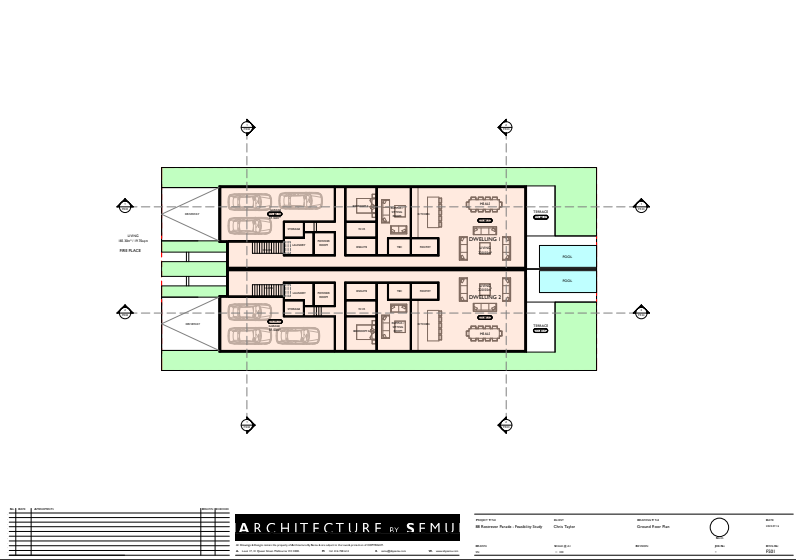
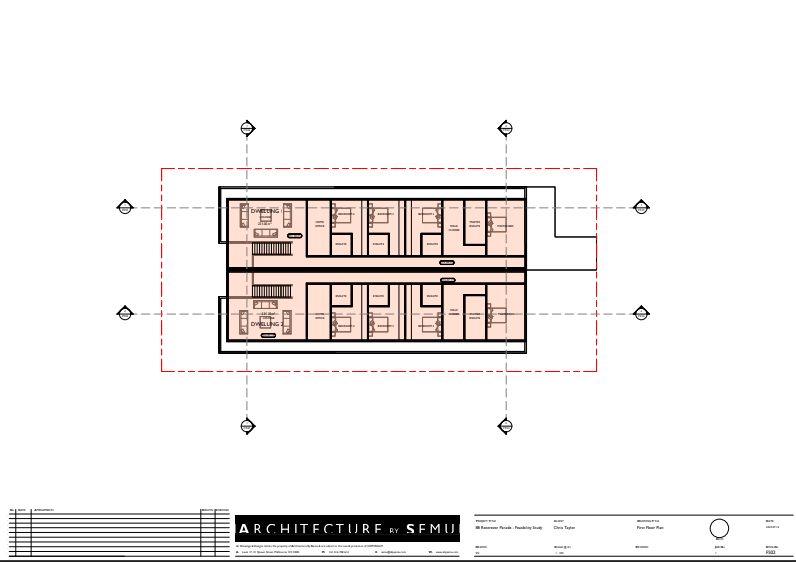
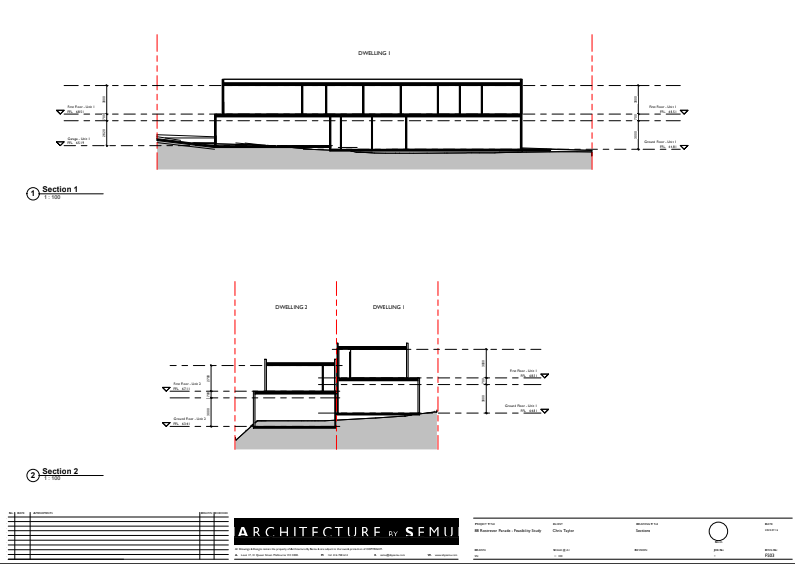
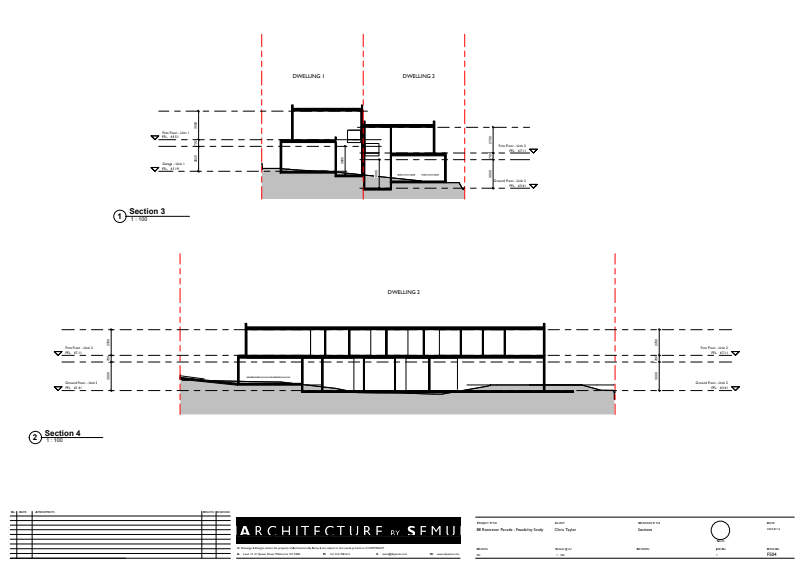
 $3,650,000
 4
4 4
4 4
4